Trademark Objection Reply — How to draft a winning response
Learn how to draft a strong trademark objection reply with objection-specific arguments, supporting evidence, similarity analysis, and timely filing strategies.

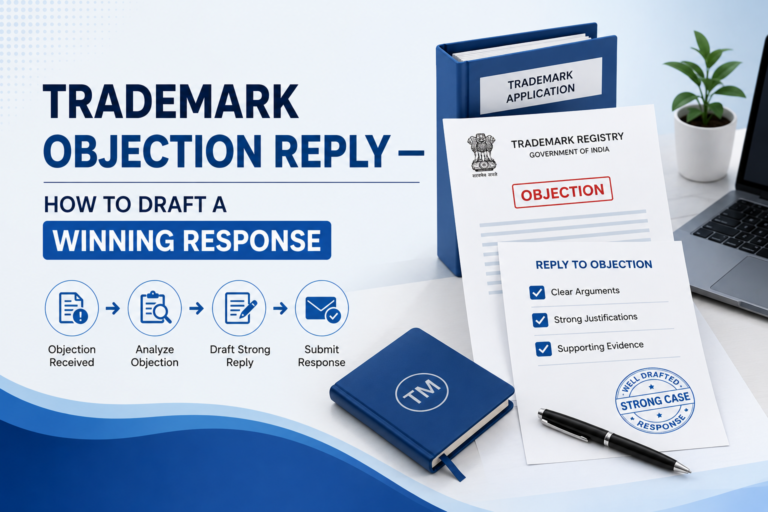
Learn how to draft a strong trademark objection reply with objection-specific arguments, supporting evidence, similarity analysis, and timely filing strategies.
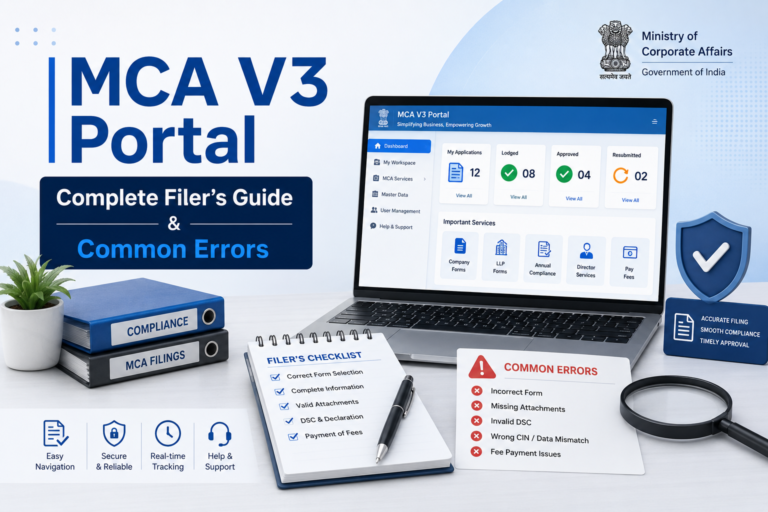
Learn how to use the MCA V3 Portal with this complete filer’s guide. Understand registration, DSC association, e-filing steps, common errors, and practical solutions for hassle-free MCA compliance.
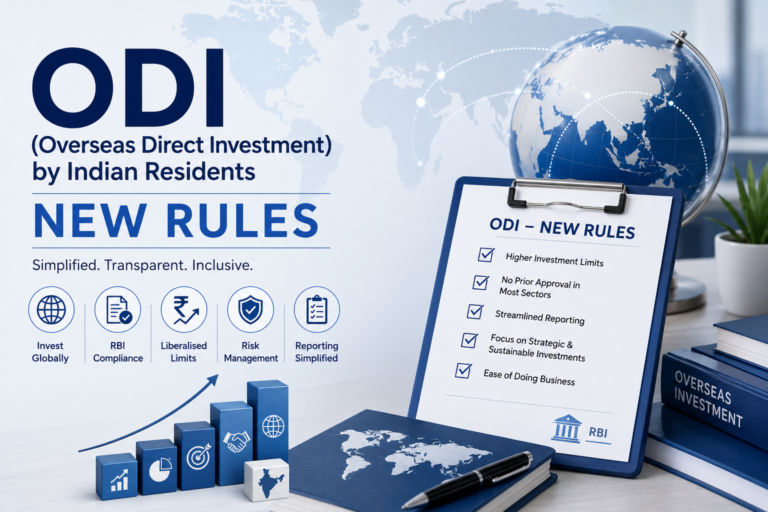
Learn the latest Overseas Direct Investment (ODI) rules for Indian residents. Understand eligibility, permissible investments, reporting requirements, compliance, and key FEMA regulations.
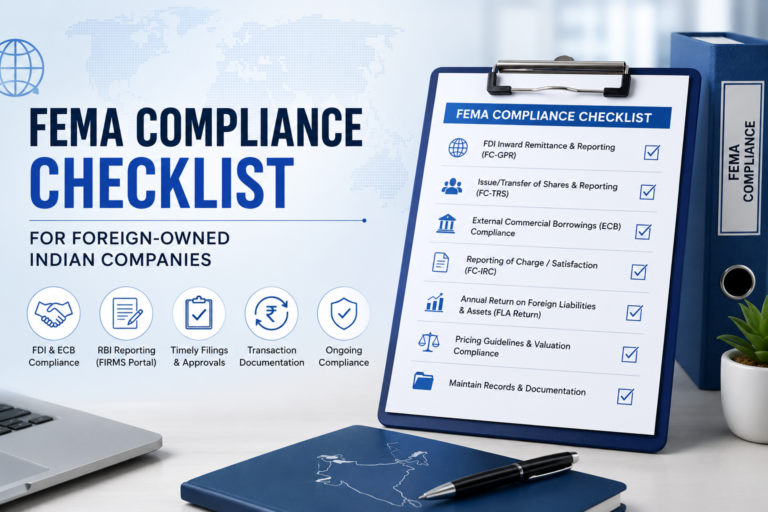
Learn the essential FEMA compliance checklist for foreign-owned Indian companies, including FDI reporting, RBI filings, annual returns, and regulatory requirements.
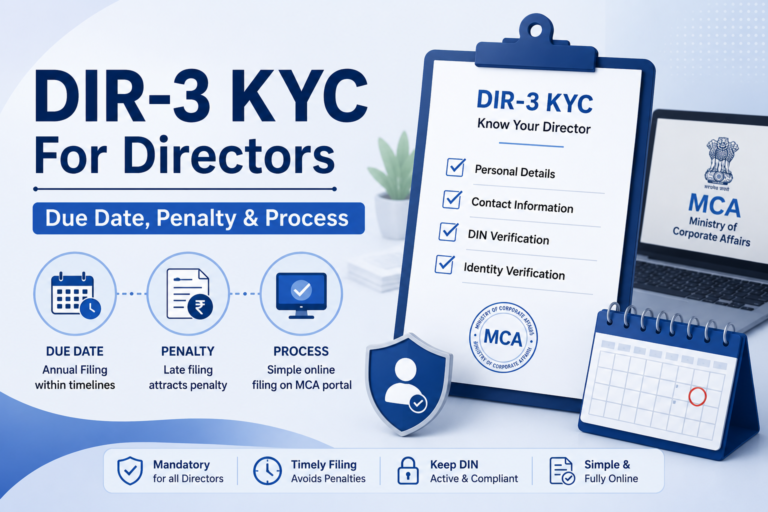
Learn everything about DIR-3 KYC for Directors, including eligibility, due date, filing process, required documents, penalties for non-compliance, and important MCA updates.
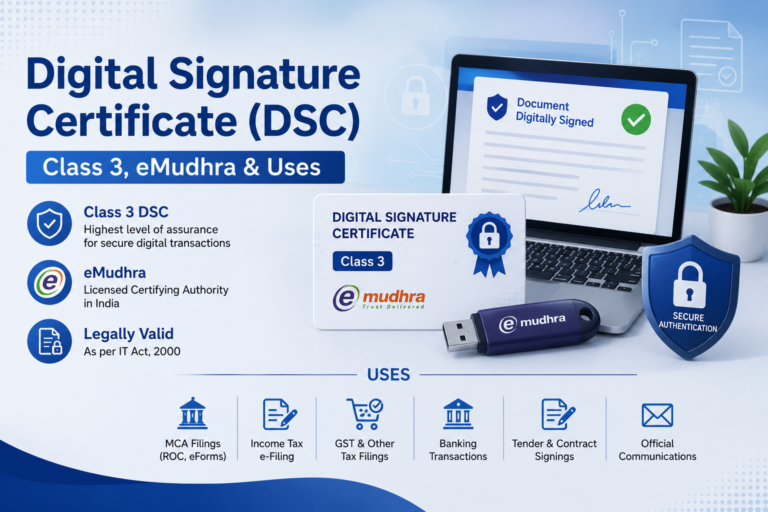
Introduction As India rapidly embraces digital governance, Digital Signature Certificates (DSCs) have become an essential tool for businesses, professionals, and government compliance. Whether you’re incorporating a company, filing ROC forms, submitting GST returns, participating in government tenders, or signing electronic documents, a Class 3 Digital Signature Certificate ensures secure, legally valid, and authenticated digital transactions….

Introduction Selling a property often results in Long-Term Capital Gains (LTCG), which may attract income tax. However, the Income-tax Act provides valuable relief through Section 54 and Section 54F, allowing eligible taxpayers to claim exemption by reinvesting in a residential property. Understanding the difference between these provisions and complying with the prescribed timelines can help…
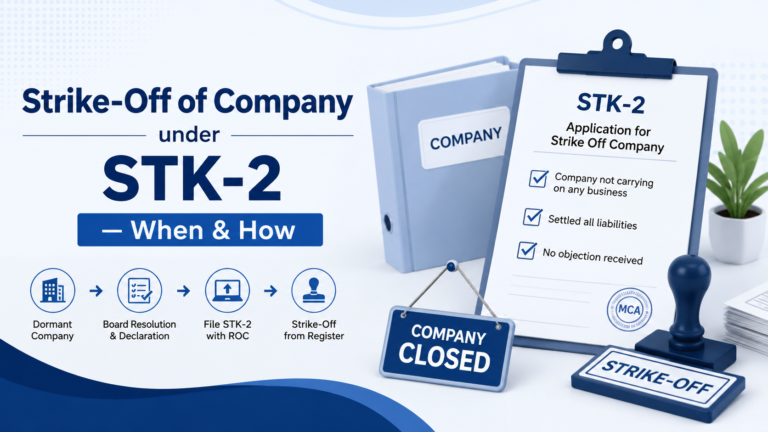
Introduction Not every company continues operations indefinitely. Some businesses never commence operations, while others become inactive due to changes in business strategy, funding challenges, or completion of their intended purpose. Continuing such companies means bearing recurring compliance costs, annual filing requirements, and potential penalties. To address this, the Companies Act, 2013 provides a simplified mechanism…